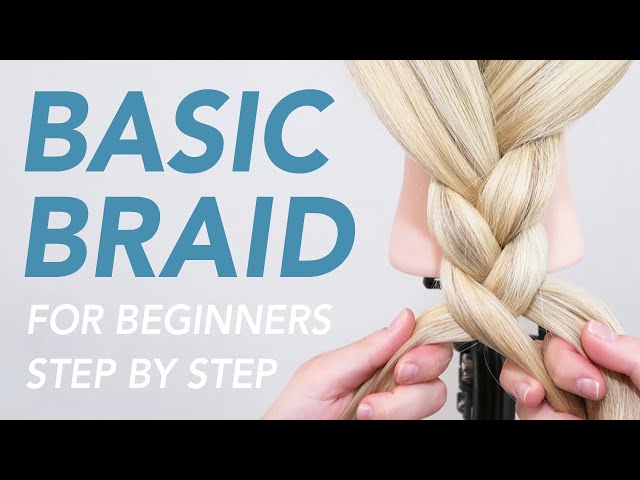
Plaiting hair, also known as braiding, is the process of intertwining three or more strands of hair to create an intricate and decorative pattern. From intricate African cornrows to elegant French braids, plaiting hair has been a significant cultural practice for centuries.
Plaiting offers numerous benefits, including hair growth promotion, scalp health improvement, and versatility in styling. Historically, plaiting hair served as a form of social identification, cultural expression, and protection for hair.
This article delves into the art and science of plaiting hair, exploring its techniques, cultural significance, and modern applications.
Plaiting Hair
Plaiting hair, an art form with cultural and practical significance, involves intertwining strands of hair to create intricate patterns. Its essential aspects include:
- Technique
- Culture
- Style
- Benefits
- History
Understanding these aspects provides a comprehensive perspective on plaiting hair, from its origins to its modern applications. For instance, the diverse techniques used in plaiting, such as braiding, cornrowing, and French braiding, reflect cultural influences and personal preferences. Additionally, plaiting hair offers practical benefits like hair growth promotion, scalp health improvement, and styling versatility.
Technique
In the art of plaiting hair, technique is paramount. It encompasses the specific methods and skills employed to manipulate strands of hair into intricate patterns. Different techniques, such as braiding, cornrowing, and French braiding, produce distinct looks and require varying levels of proficiency.
Mastering these techniques is essential for achieving the desired aesthetic and ensuring the plait's longevity. For instance, tight braiding techniques can promote hair growth by stimulating blood circulation to the scalp, while loose braiding techniques may be more suitable for creating voluminous styles. Understanding the cause-and-effect relationship between technique and the resulting plait empowers individuals to make informed choices based on their hair type and desired outcome.
The practical applications of this understanding extend beyond personal grooming. Knowledge of plaiting techniques is invaluable for hairstylists, allowing them to cater to diverse client needs and create unique, eye-catching styles. Additionally, plaiting techniques are often incorporated into cultural traditions, religious ceremonies, and artistic expressions, highlighting their broader social and cultural significance.
Culture
Culture and plaiting hair share an intrinsic connection, with culture serving as a primary driver for the development and adoption of various plaiting techniques and styles. Cultural influences manifest in the choice of plaits, their intricate designs, and the symbolic meanings they carry within different societies.
For instance, in many African cultures, plaiting hair holds deep cultural significance. Elaborate cornrows and intricate braids are not merely hairstyles but emblems of identity, social status, and cultural heritage. Similarly, in Native American cultures, specific plaiting styles denote tribal affiliations, age, and marital status, reinforcing the strong cultural component embedded within plaiting hair.
Understanding the cultural context of plaiting hair enables hairstylists to provide culturally sensitive services to their clients. It also highlights the importance of respecting cultural traditions and avoiding cultural appropriation when incorporating plaiting techniques into hairstyles.
Style
Style plays a pivotal role in the art of plaiting hair, influencing both the aesthetic appeal and the overall impact of the plait. The choice of plaiting technique, the intricacy of the design, and the accessories incorporated all contribute to the unique style of a plait.
Consider the sleek elegance of a French braid, the vibrant flair of African cornrows, or the intricate beauty of a Dutch braid. Each style exudes a distinct character, catering to diverse preferences and occasions. Style allows individuals to express their creativity, showcase their personality, and make a fashion statement.
Understanding the relationship between style and plaiting hair empowers hairstylists to create customized looks that align with their clients' desires. It also enables individuals to make informed decisions about the style of plait they choose, ensuring it complements their overall aesthetic and personal style.
Benefits
Plaiting hair offers numerous benefits that extend beyond aesthetics, positively impacting hair health, personal style, and cultural expression.
-
Hair Growth
Plaiting hair can stimulate blood circulation to the scalp, promoting hair growth and reducing hair loss. Braiding techniques that involve tension, such as cornrows and tight braids, can further enhance this effect.
-
Scalp Health
Plaiting hair helps distribute natural oils along the hair shaft, improving scalp health and reducing dryness. It also protects the hair from external factors like wind and sun damage.
-
Styling Versatility
Plaiting hair offers endless styling possibilities, from intricate updos to casual braids. It allows individuals to experiment with different looks and express their creativity.
-
Cultural Significance
Plaiting hair holds cultural significance in many communities around the world. Different plaiting styles can represent social status, marital status, religious beliefs, and ethnic identity.
Understanding the benefits of plaiting hair empowers individuals to make informed choices about their hair care routine and styling preferences. It also highlights the multifaceted nature of plaiting hair, encompassing both practical and cultural aspects.
History
The history of plaiting hair is deeply intertwined with the cultural, social, and practical aspects of human societies. Plaiting hair has been practiced for centuries across diverse cultures, serving as a form of personal adornment, cultural identification, and social status.
Throughout history, plaiting techniques have evolved and diversified, influenced by factors such as geographical location, cultural exchange, and technological advancements. For example, the intricate cornrows and box braids originating in Africa have been adopted and adapted by various cultures worldwide, showcasing the historical connections and cultural diffusion associated with plaiting hair.
Understanding the history of plaiting hair provides valuable insights into the cultural significance, symbolism, and practical applications of this art form. It allows us to appreciate the continuity and evolution of plaiting techniques, recognize the influence of cultural exchange, and comprehend the broader social and historical contexts in which plaiting hair has been practiced.
{Frequently Asked Questions on Plaiting Hair}
This section addresses common questions and clarifications regarding plaiting hair, providing essential information for those seeking to learn more about this art form.
Question 1: What is the difference between braiding and plaiting?
Braiding and plaiting are synonymous terms used to describe the process of intertwining three or more strands of hair to create a decorative pattern.
Question 2: What are the different types of plaiting techniques?
There are numerous plaiting techniques, including braiding, cornrowing, French braiding, Dutch braiding, and fishtail braiding, each resulting in a distinct look.
Question 3: Can plaiting hair damage my hair?
Plaiting hair can cause damage if done too tightly or for extended periods. However, proper technique and avoiding excessive tension can minimize hair damage.
Question 4: How often should I plait my hair?
The frequency of plaiting hair depends on hair type and desired style. Regular plaiting can promote hair growth, but it is essential to give your hair breaks to prevent damage.
Question 5: Can I plait my hair myself?
With practice, it is possible to plait your hair yourself. However, certain techniques may require assistance from a hairstylist.
Question 6: What are the cultural significances of plaiting hair?
Plaiting hair holds cultural significance in many communities, representing social status, marital status, religious beliefs, and ethnic identity.
These FAQs provide a foundation for understanding the art of plaiting hair, addressing common concerns and offering insights into its techniques, benefits, and cultural implications.
To delve deeper into the intricacies of plaiting hair, explore our comprehensive guide on advanced techniques, styling tips, and cultural influences.
Tips for Plaiting Hair
This section provides practical tips and techniques to elevate your plaiting skills, ensuring your creations are both beautiful and long-lasting.
Tip 1: Prepare Your Hair
Start with clean, detangled hair. Apply a leave-in conditioner or detangling spray to smooth strands and prevent breakage.
Tip 2: Section Your Hair
Divide your hair into smaller sections to make plaiting easier and more manageable, especially for complex styles.
Tip 3: Use the Right Tension
Avoid plaiting too tightly, as this can cause discomfort and damage your hair. Experiment with different levels of tension to find what works best for your hair type.
Tip 4: Keep Strands Moisturized
Apply a small amount of hair oil or serum to your strands as you plait to prevent dryness and reduce friction.
Tip 5: Secure the Ends
Use hair elastics or bobby pins to securely fasten the ends of your plaits, preventing them from unraveling.
Tip 6: Experiment with Different Styles
Explore various plaiting techniques to create unique and eye-catching styles. Practice different braids, cornrows, and fishtail plaits to expand your repertoire.
Tip 7: Protect Your Plaits
Wear a satin bonnet or headscarf at night to protect your plaits from friction and tangles, extending their lifespan.
Tip 8: Accessorize Your Plaits
Add beads, ribbons, or hair clips to your plaits for a touch of glamour and personalization.
By following these tips, you can master the art of plaiting hair, creating stunning and intricate styles that enhance your personal style and protect your hair.
In the concluding section, we will discuss the cultural significance of plaiting hair and its role in expressing personal and cultural identity.
Conclusion
Throughout this exploration of plaiting hair, we have uncovered its multifaceted nature, encompassing technique, culture, style, benefits, and history. Plaiting hair transcends mere aesthetics, serving as a means of personal adornment, cultural expression, and hair care.
Key takeaways from our discussion include the intricate relationship between technique and the resulting plait's appearance and longevity, the diverse cultural significance of plaiting hair across communities, and its potential benefits for hair growth, scalp health, and styling versatility. Understanding these interconnections empowers individuals to make informed choices about their hair care and styling practices.




No comments:
Post a Comment